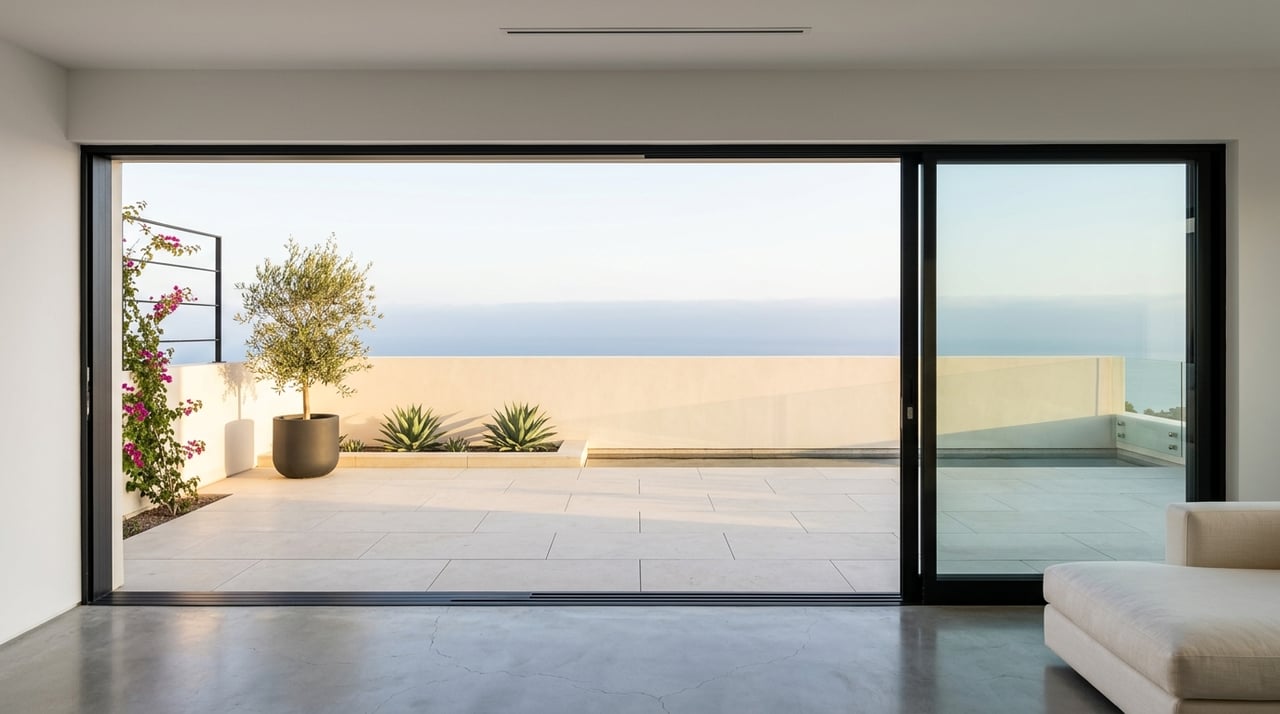
If your home’s biggest selling feature starts the moment someone looks out the window, your sale strategy needs to do more than cover the basics. In Laguna Niguel, views are not just a nice extra. They can shape buyer interest, pricing, and how your home stands out in a competitive market. If you want to sell a view home with confidence, it helps to understand what buyers notice, how to present the scenery well, and where careful planning matters most. Let’s dive in.
Why Laguna Niguel View Homes Stand Out
Laguna Niguel has a landscape that naturally makes view properties feel different from other homes. The city manages about 4,300 acres of open space, which is just over 46% of its land area, and it describes open space as a defining part of the community. Hillsides, ridgelines, canyons, wetlands, trails, and landscaped slopes all shape how homes sit on the land and what they overlook.
That matters when you sell because buyers are often reacting to more than square footage or finishes. They may be responding to an ocean glimpse, a wide territorial outlook, or a quiet open-space backdrop. Laguna Niguel’s planning documents even recognize ocean and territorial views as meaningful local assets, which reinforces how important view orientation can be in this market.
Market conditions also show that micro-location matters. In 2026, reported median sale or list prices for Laguna Niguel have generally ranged from about $1.31 million to $1.45 million, with days on market around 35 to 42 depending on source and timing. At the neighborhood level, there is a wide spread in pricing, from under $1 million in some areas to well over $4 million in others, which is one reason broad pricing averages rarely tell the full story for a view home.
View Type Affects Value
Not all views are valued the same way, and that is one of the biggest reasons sellers should avoid one-size-fits-all pricing. A panoramic ocean view, a canyon view, and a home that backs to open space may all create appeal, but buyers may respond to each one differently. The quality, privacy, orientation, and depth of the view all influence how the property is perceived.
Research summarized by The Appraisal Journal shows that view premiums vary widely. In some studies, a good view added around 8%. Park views averaged about 5.6% in one review, while some mountain-view studies showed mixed results. One classic single-family study found that the highest-quality ocean views increased market price by nearly 60%, while lower-quality ocean views added about 8%.
The practical takeaway is simple. There is no universal formula for how much your view adds. In Laguna Niguel, where elevation, slope, and relationship to open space can shift dramatically from one street to the next, your home should be compared against the narrowest and most relevant set of recent sales possible.
How to Price a View Home Well
A strong pricing strategy starts with the right comparison set. For a Laguna Niguel view home, that usually means looking at homes with a similar view type, similar elevation, and a similar level of privacy. A home with a sweeping open-space view from a rear patio should not automatically be compared to a nearby home with only a partial hillside outlook.
You also want to consider orientation and how the view is experienced from the home itself. Buyers notice whether the main living areas frame the scenery, whether the primary bedroom benefits from it, and whether the view feels private or exposed. Those details can affect perceived value just as much as the view category itself.
This is where local interpretation matters. Two homes may be close in size and condition, but if one has a better line of sight, less roofline interruption, or a stronger indoor-outdoor connection, buyers may view them very differently. A careful pricing strategy helps you avoid the two most common mistakes: overpricing based on emotion or underpricing by treating the view as incidental.
Showcase the View From Day One
With view homes, your marketing should lead with the feature buyers care about most. Online presentation matters because many buyers begin their search digitally. According to Zillow’s seller guidance, 79% of recent buyers shopped online, and nearly half said professional photos were extremely or very important.
That first impression has real weight. NAR’s 2025 staging profile found that staging helps buyers visualize the property as a future home, and that photos, videos, and virtual tours are highly important to clients. NAR also found that among buyers with expectations, agents said they expected to tour a median of eight homes in person and 20 virtually, which means your home may need to win attention on screen before it ever gets a showing.
For a view home, that usually means the scenery should appear early in the photo sequence and virtual tour. If the strongest selling point is the outlook from the great room, balcony, or primary suite, that feature should not be buried behind a long run of interior detail shots. Buyers should understand the value quickly.
Staging Tips That Keep Focus on the Scenery
The goal of staging a view home is not to compete with the view. It is to support it. Every decision should help the eye move naturally toward the windows, doors, or outdoor spaces that frame the setting.
A few practical staging choices can make a big difference:
- Declutter rooms so sightlines stay open
- Open blinds and window coverings to maximize natural light
- Remove screens when possible to sharpen the outdoor view
- Keep furniture low in rooms where the scenery is a focal point
- Simplify decor near major windows and glass doors
- Stage the living room, kitchen, and primary bedroom with special care
These choices can help buyers connect the home’s layout to its best feature. In many cases, the view becomes part of the room, which can make the space feel brighter, larger, and more memorable.
Photography and Video Matter More Here
Professional media is especially important when you are selling a view property. Zillow recommends chest-height, landscape-oriented photos, wide-angle lenses, bright mid-day interior shots, and exterior photos taken with the sun behind the camera. It also recommends aerial images and video walkthroughs, which can be particularly effective for hillside and open-space settings.
Zillow’s research also suggests that 22 to 27 photos is an ideal range for a listing. That range can work well for a Laguna Niguel view home because it gives enough room to highlight both the property and the setting without overwhelming buyers. The key is not just how many images you include, but how intentionally they are sequenced.
For many view homes, the most effective media package includes:
- Professional photography
- A video walkthrough
- A virtual tour
- Drone or aerial imagery when appropriate
Together, these tools help buyers understand not just what the home looks like, but how it lives in its location.
Disclosures Need Careful Attention
A beautiful view can create excitement, but the transaction still needs solid groundwork. California law requires sellers and agents to disclose known facts that materially affect the value or desirability of a property. For one-to-four unit residential property, licensed brokers and salespersons must also conduct a reasonably competent and diligent visual inspection.
If a required disclosure is delivered after an offer is accepted, a buyer may have a statutory right to terminate within the applicable time frame. That is one reason thoughtful preparation before listing can help reduce stress later. Clear, timely disclosure supports trust and helps keep a transaction moving.
California natural hazard disclosure rules may also apply where relevant, including mapped flood, very high fire hazard severity, earthquake fault, and seismic hazard zones. For a Laguna Niguel view home, it is wise to discuss any known condition that could materially affect the property’s enjoyment, value, or buyer perception with your listing agent early in the process.
What Buyers Often Want to Know
When buyers tour a Laguna Niguel view home, they often focus on a few practical questions. They want to understand what kind of view the property offers, how protected or open it feels, and how the home captures that setting from the rooms they will use every day.
They may also compare your home to nearby properties that do not share the same outlook. That is why pricing, staging, and digital presentation need to work together. When the market sees the value clearly, buyers are in a better position to respond with confidence.
A thoughtful sale strategy can make that process feel smoother. Instead of relying on the idea that the view will simply “sell itself,” you present the home in a way that helps buyers understand why it is special.
If you are preparing to sell a view home in Laguna Niguel, a tailored plan can make a meaningful difference in pricing, presentation, and the overall experience. For local guidance and a concierge-level approach, connect with Jacqueline Screeton.
FAQs
What counts as a view home in Laguna Niguel?
- In Laguna Niguel, a view home may feature ocean, territorial, or open-space views. The specific value often depends on the type, quality, privacy, and how the home is positioned to capture it.
How should you price a Laguna Niguel view home?
- The best approach is to compare your home to recent sales with a similar view type, elevation, orientation, privacy level, and relationship to open space or the coast.
What marketing works best for a Laguna Niguel view home sale?
- Professional photos, video, virtual tours, and aerial imagery can be especially effective because they help buyers understand the setting before they visit in person.
What rooms should be staged first in a Laguna Niguel view home?
- The living room, primary bedroom, and kitchen often deserve the most attention because they are common spaces where buyers expect the view to be highlighted.
What disclosures matter when selling a view home in California?
- Sellers must disclose known material facts affecting value or desirability, and relevant natural hazard disclosures may also apply depending on the property and location.
