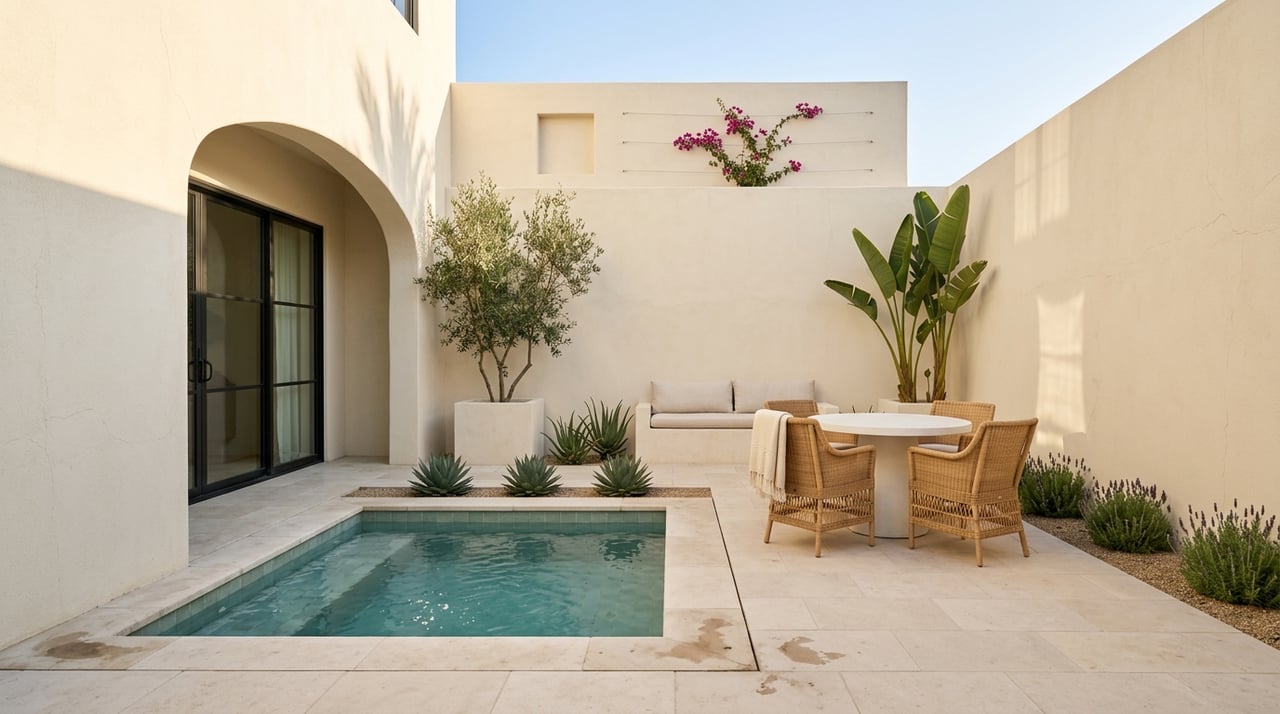
Dreaming of a home that feels like a getaway every time you arrive? In Dana Point, that idea is not just about ocean views or a stylish patio. It is about living in a coastal city where the harbor, beaches, trails, and community events can shape your daily routine. If you are considering a primary home, second home, or lock-and-leave property here, this guide will help you understand what creates that vacation-style feel and what to plan for before you buy. Let’s dive in.
Why Dana Point Feels Like a Resort
Dana Point has a built-in coastal setting that naturally reads like a retreat. The city covers about 6.49 square miles and has roughly 32,585 residents, so it feels compact while still offering a wide range of amenities. Census data also places the median owner-occupied home value at about $1.2 million, which gives useful context for the kind of high-value coastal ownership many buyers picture here.
A big part of the appeal is how closely the city is tied to the water. Dana Point describes about 7 miles of coastal bluffs, and the harbor includes slips and moorings for more than 2,500 boats. That creates a setting where ocean access and marina activity are not occasional attractions, but part of the backdrop of everyday life.
The harbor adds another layer to that experience. City information highlights specialty shopping, whale watching, fishing, kayaking, Catalina transportation, and dining that ranges from casual coffee spots to waterfront restaurants. The harbor is also going through an active revitalization, with landside and waterside improvements that continue to shape the area’s long-term appeal.
What Creates the Vacation Feeling Daily
For most buyers, a vacation-style home is about more than the house itself. In Dana Point, the strongest lifestyle draw comes from how easy it is to enjoy the coast on an ordinary weekday. You are not waiting for a holiday weekend to feel like you are somewhere special.
Beaches for Different Moods
Dana Point offers a varied beach network for a city its size. Local resources identify Doheny State Beach, Salt Creek, Monarch Beach, Dana Strand, Baby Beach, Poche Beach, and Capistrano Beach. That range matters because it gives you options depending on whether you want surfing, a scenic walk, a picnic, or a more relaxed shoreline stop.
Doheny State Beach is one of the clearest examples of the city’s vacation atmosphere. The site includes day-use surfing, picnic lawns, volleyball courts, camping, and more than 2 million annual visitors. Even if you live in Dana Point full time, having that kind of destination woven into the city can make everyday life feel more like leisure time.
Scenic Trails and Easy Outdoor Time
Vacation-style living often comes down to simple routines you can repeat often. Dana Point supports that with several scenic walking and biking options. The Bluff Top Trail offers harbor views in a short 0.2-mile walk, Hilltop Conservation Park has about a 0.5-mile trail with panoramic views, and the Coast Highway Protected Trail runs about two miles for pedestrians and bicyclists.
These spaces make it easier to picture a day that starts with a walk overlooking the coast or ends with a sunset ride instead of a long drive to find open space. For many buyers, that convenience is what turns a beautiful location into a true lifestyle decision.
Events That Keep the Town Active
A vacation-style setting also needs energy beyond the scenery. Dana Point’s recreation pages highlight events such as the Festival of Whales, Harbor Boat Parade, concerts in the park, Fourth of July fireworks, and community market activity. These events help create a sense that there is always something seasonal and local to enjoy.
That matters whether you plan to live here year-round or use the home part time. A place with recurring public events can feel lively and welcoming in different seasons, not just during peak summer months.
Transportation That Supports Coastal Living
One reason some coastal towns feel easier than others is how simple it is to get around without always relying on your car. Dana Point’s summer trolley runs daily from Memorial Day weekend through Labor Day, is free, arrives every 15 minutes, and serves beaches, parks, and shopping areas. OCTA buses also serve the harbor, and the nearby San Juan Capistrano Metrolink station adds another regional transportation option.
For owners who want a relaxed, low-hassle routine, those details matter. They can make quick outings feel more spontaneous and can be especially helpful if you are using the home as a second residence and want an easy, lock-and-go lifestyle.
What to Look for in a Vacation-Style Home
The home itself still matters, of course. But in Dana Point, many buyers find that the vacation feel comes from how the property connects to the surrounding lifestyle. A condo, townhouse, or single-family home can all support that goal if the location and ownership setup fit how you plan to use it.
As you evaluate options, think less about labels and more about your real habits. Ask yourself whether you want quick harbor access, proximity to beaches, easier maintenance, or a layout that works well for part-time stays. The right answer depends on whether this will be your main residence, a second home, or a property you plan to leave for stretches at a time.
Here are a few practical questions to consider:
- How close do you want to be to the harbor, trails, or specific beaches?
- Do you want a lower-maintenance property for lock-and-leave convenience?
- Are you hoping for occasional rental use, or is the home strictly for personal use?
- Will HOA rules affect how you use the property?
- Are you comfortable planning for coastal maintenance and insurance needs?
Ownership Details to Understand Before You Buy
A relaxed lifestyle still comes with important ownership details. In a coastal market like Dana Point, buyers should look carefully at permits, rental rules, and risk planning before making assumptions. This is where local guidance becomes especially valuable.
Coastal Zone and Permit Review
If a property is in the coastal zone, future changes to the home may involve additional review. Dana Point states that all development projects in the coastal zone require a Coastal Development Permit unless exempt. The city also notes that bluff-top improvements usually require a Coastal Development Permit as well.
That does not mean you cannot improve a property. It does mean you should go into ownership with a clear understanding of what future projects may require in terms of review, timing, and cost.
Short-Term Rental Rules
If you are thinking about part-time use with occasional rental income, do not assume every property will allow that. Dana Point’s short-term rental program, adopted in 2023, uses permit caps in and outside the coastal zone. The city also requires HOA approval in communities where the HOA does not allow or has not approved short-term rentals.
This is one of the biggest reasons buyers should match the property to their actual plan from the beginning. If rental flexibility matters to you, it is important to verify both city rules and community restrictions before you move forward.
Flood and Coastal Risk Planning
Coastal ownership has real lifestyle benefits, but it also requires thoughtful planning. Dana Point’s emergency guidance states that the city faces inherent flood risk because of its coastal geography and rising sea levels. The city also directs residents to FEMA flood maps and tsunami preparedness materials.
Insurance is part of that conversation. FEMA states that most homeowners policies do not cover flood damage and that flood insurance is usually a separate policy. The California Department of Insurance also notes that homeowners and commercial policies typically exclude flood and similar disasters.
Budgeting Beyond the Purchase Price
When buyers picture a vacation-style home, it is easy to focus on the purchase and the fun parts of ownership. In Dana Point, it is smart to build a fuller budget from the start. That can help you enjoy the property with fewer surprises later.
Beyond the purchase price, buyers should be prepared to evaluate:
- Homeowners insurance and possible separate flood coverage
- HOA dues, if applicable
- Ongoing maintenance tied to a coastal environment
- Potential permit costs for certain property improvements
- Costs related to complying with city and HOA rules if rental use is part of your plan
For financing and tax questions, it is best to work directly with qualified professionals. A clear budget should reflect not only what you can buy, but also what it will take to own the property comfortably over time.
Is Dana Point a Good Fit Year-Round?
For many buyers, the answer comes down to whether the area feels active and functional beyond peak vacation season. Dana Point has a strong case here because the lifestyle is supported by more than beaches alone. Trails, harbor amenities, public events, transportation options, and preserved coastal scenery all contribute to a setting that can feel enjoyable throughout the year.
The harbor revitalization process also suggests that the amenity base is continuing to evolve. For buyers thinking long term, that can be part of the appeal. You are not only buying into the current lifestyle, but also into a waterfront area that remains a central focus of the city.
How a Local Advisor Helps
Buying a vacation-style home can look simple on the surface, but the details often matter most. In Dana Point, that can include matching your lifestyle goals to the right pocket of the city, understanding ownership restrictions, and weighing whether a condo, townhouse, or single-family home best supports how you want to live.
That is where local guidance can make the process feel more manageable. A neighborhood-focused advisor can help you compare options, spot potential issues early, and move forward with a plan that fits both your priorities and the realities of coastal ownership.
If you are exploring what vacation-style living in Dana Point could look like for you, Jacqueline Screeton offers a concierge-level approach with clear guidance, local insight, and personalized support every step of the way.
FAQs
What makes a Dana Point home feel like a vacation home?
- In Dana Point, the vacation feeling usually comes from everyday access to harbor amenities, beaches, scenic trails, community events, and coastal views rather than one single home feature.
Can you use a Dana Point home part-time and rent it out occasionally?
- Possibly, but you need to verify Dana Point short-term rental rules and any HOA restrictions first because the city uses permit caps and some communities may not allow that use.
Do Dana Point coastal properties require special permits for improvements?
- Yes, some do. The city says development projects in the coastal zone require a Coastal Development Permit unless exempt, and bluff-top improvements usually require one as well.
Does homeowners insurance cover flood risk in Dana Point?
- Usually not. FEMA and the California Department of Insurance both note that flood damage is typically excluded from standard homeowners policies, so separate flood coverage may be needed.
Is Dana Point a practical place for year-round living?
- Yes, many buyers see it that way because the city offers beaches, trails, harbor activities, public events, and transportation options that support an active lifestyle beyond the peak vacation season.
