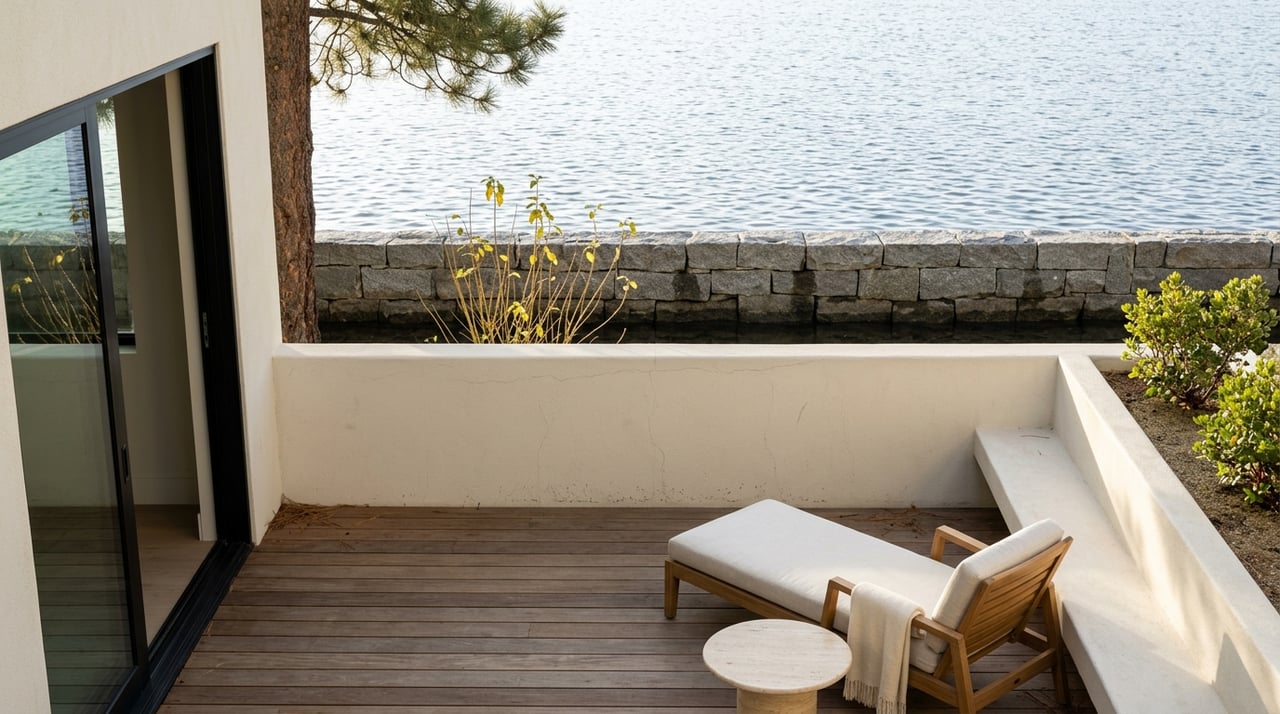
Dreaming about waking up near Lake Tahoe’s shoreline? In Lake Forest, that idea comes with real everyday perks, but it also comes with mountain-lake realities you need to understand before you buy. If you are exploring a home, second home, or rental-minded property in this part of North Lake Tahoe, this guide will help you get a clearer picture of what lakefront living in Lake Forest actually feels like. Let’s dive in.
Where Lake Forest Sits
Lake Forest is a lakeside community in Placer County, just east of Tahoe City along Highway 28 between Tahoe City and Carnelian Bay. That location places it in the shoreline-oriented Tahoe City corridor, which is a key part of its appeal.
For many buyers, that means you are not looking at an inland mountain setting with occasional lake access. You are looking at a community shaped by the shoreline, public recreation, and the daily rhythm of North Lake Tahoe living.
Lake Tahoe itself sits at about 6,255 feet above sea level. If you are coming from a lower elevation area, that detail matters because altitude can shape everything from weather expectations to home maintenance and how you use the property year-round.
What Lakefront Living Feels Like
Lake Forest offers a lifestyle that feels active, scenic, and closely tied to the water. The neighborhood experience is not only about private homes. It is also influenced by nearby public amenities that bring people to the shoreline throughout the year.
That mix can be a plus if you want easy access to the lake and a setting that feels connected to outdoor recreation. It also means your experience may include more seasonal movement and activity than you would expect in a purely residential enclave.
Lake Forest Beach Access
One of the clearest lifestyle anchors in the area is Lake Forest Beach. Tahoe City Public Utility District describes it as a peaceful, secluded beach used for swimming, sightseeing, bird watching, picnicking, windsurfing, and kayak or paddleboard storage.
The beach is located at the end of Bristlecone Avenue and is open from dawn to dusk. For buyers, this is an important quality-of-life detail because it shows that lake access is not abstract in Lake Forest. It is part of the neighborhood experience.
There is one practical note worth keeping in mind: parking is limited. If you picture spontaneous summer beach days, that is possible, but timing and planning can make a difference.
Boating and Water Use
If boating matters to you, the Lake Forest Boat Ramp adds another layer to the local lifestyle. It is about 1.5 miles east of Tahoe City off Highway 28 and includes limited day-use parking and restrooms.
The ramp is open year-round with seasonal hours, and it can get very busy during summer boating season. If you are considering a property because of boating access, that is a reminder to think beyond the view and into actual use patterns.
Motorized watercraft require TRPA inspection before launch. Non-motorized equipment must be clean, drained, and dry to help prevent aquatic invasive species, which is part of responsible ownership and recreation in the Tahoe area.
A Community With Visitors Too
Lake Forest Campground also helps define the area’s character. The campground has 20 first-come, first-served sites, no reservations, no hookups, no showers, and a 10-day limit.
That setup reinforces something many buyers notice quickly in North Lake Tahoe: this is a place used by both residents and visitors. In Lake Forest, that blend contributes to the energy of the area and can shape parking, traffic, and seasonal activity nearby.
Why Seasonality Matters
Lake Forest is part of a year-round recreation region, and that is one of its biggest strengths. Placer County highlights winter activities like skiing, snowshoeing, snow biking, sledding, and snowmobiling, along with summer hiking, mountain biking, trail running, equestrian use, and off-road recreation.
For you as a buyer, that means the value of the location is not tied to one season. The area attracts people who want access to Tahoe in summer and winter, which helps explain the strong demand for both seasonal and second-home ownership.
Summer in Lake Forest
Summer is when the shoreline lifestyle is easiest to picture. Warmer weather, beach access, boating, and trail use all move to the front of daily life.
NOAA climate normals for nearby Tahoe City show a July mean maximum temperature of 78.0°F. That supports the classic North Lake Tahoe summer feel: warm days, outdoor recreation, and a strong draw to the lake.
At the same time, Placer County notes that summer weekends and holidays bring the highest parking demand in North Lake Tahoe. If you are drawn to Lake Forest for its access and activity, it helps to go in with realistic expectations about congestion during peak periods.
Winter in Lake Forest
Winter changes the rhythm completely. NOAA data for the Tahoe City station shows about 179 inches of annual snowfall, with a December mean maximum temperature of 39.7°F.
That is not a small detail. In practical terms, snow affects access, maintenance, travel timing, and how you prepare a property for seasonal use.
If you are considering a second home, a primary residence, or a property you may leave vacant at times, this is where good planning matters. Snow conditions and mountain weather are part of the ownership conversation, not just a scenic backdrop.
Is Lake Forest Year-Round or Seasonal?
The honest answer is both. Placer County describes the broader North Lake Tahoe area as a year-round recreation destination, but it also reports that roughly two-thirds of the regional housing inventory is purchased for seasonal use.
That combination helps explain why Lake Forest can feel lively at certain times and quieter at others. You may find a mix of full-time residents, second homeowners, and visitors moving through the area depending on the season.
For some buyers, that is exactly the appeal. For others, it is a reason to look more closely at the block, access pattern, and surrounding uses before making a decision.
What Buyers Should Verify
Beautiful settings can make it easy to focus only on views and proximity to the water. In Lake Forest, a smart purchase also means understanding logistics, restrictions, and seasonal realities tied to the property and the area.
This is especially true if you are evaluating a home for part-time use or exploring rental potential. A polished buying experience should always include careful due diligence on how the property can actually be used.
Rental Rules and Second-Home Planning
Placer County defines short-term rentals as units rented for 30 days or less. The county says its ordinance is intended to preserve neighborhood character and address nuisance issues.
The county also requires permits, a transient occupancy tax certificate, and a local contact who can respond 24/7 and lives within 35 driving miles of the rental. If rental income is part of your decision-making, these are not details to assume. They need to be confirmed early.
Parking, Access, and Peak Use
Lake Forest’s public amenities are a major draw, but they also come with limited parking and heavy peak-season use. That is true at the beach and the boat ramp, especially in summer.
If you are comparing homes, think about how close access really translates into use for your lifestyle. A property that feels ideal on a map may function differently during a busy holiday weekend.
Fire and Environmental Considerations
Lake Forest Beach and the campground are in a high wildfire danger area, and fire restrictions can be imposed without notice. That is part of the broader mountain-lake living reality in this region.
Lake access also comes with environmental rules intended to protect Tahoe. Boat inspections and clean, drained, dry practices for non-motorized gear are standard parts of using the lake responsibly.
Who Lake Forest May Appeal To
Lake Forest can be a strong fit if you want North Lake Tahoe shoreline access and a lifestyle centered on outdoor recreation. It may also appeal to buyers who appreciate a location near Tahoe City while still feeling connected to its own pocket of lake-oriented activity.
You may be especially drawn to Lake Forest if you want:
- Close connection to Lake Tahoe access points
- A setting influenced by boating, beach use, and recreation
- A community with both year-round and seasonal ownership patterns
- Proximity to Tahoe City and the Highway 28 shoreline corridor
- A home base for summer and winter mountain living
The right fit depends on how you plan to use the property. The more clearly you define that up front, the easier it becomes to evaluate what works for your goals.
A Practical Way to Approach Your Search
If Lake Forest is on your radar, approach it with both excitement and clarity. The scenery is real, the access is real, and the lifestyle appeal is real, but so are the details around parking, snow, fire restrictions, boating rules, and rental requirements.
That is why local context matters so much in a place like this. A thoughtful home search should help you match the property not just to your wish list, but to the way you will actually live in it.
If you want a clear, concierge-style approach to evaluating lifestyle, property fit, and next steps, Jacqueline Screeton can help you move forward with confidence.
FAQs
Is Lake Forest in Lake Tahoe close to Tahoe City?
- Yes. Lake Forest is just east of Tahoe City along Highway 28, between Tahoe City and Carnelian Bay in Placer County.
Does Lake Forest in North Lake Tahoe have public lake access?
- Yes. Public access points tied to the area include Lake Forest Beach and the Lake Forest Boat Ramp.
What is Lake Forest Beach like in Lake Tahoe?
- Lake Forest Beach is described by TCPUD as a peaceful, secluded beach for swimming, sightseeing, bird watching, picnicking, windsurfing, and kayak or paddleboard storage, with limited parking and dawn-to-dusk hours.
Is Lake Forest in Placer County a year-round or seasonal area?
- It is both. Placer County describes North Lake Tahoe as a year-round recreation destination, and county housing data says roughly two-thirds of the regional housing inventory is purchased for seasonal use.
What should buyers verify before buying a Lake Forest property for short-term rental use?
- Buyers should confirm Placer County short-term rental rules, permit requirements, transient occupancy tax certificate requirements, local contact requirements, and any property-specific limitations before relying on rental income.
What weather should you expect in Lake Forest at Tahoe?
- Expect a strongly seasonal mountain climate, with warm summers, cold winters, about 179 inches of annual snowfall, and about 33.28 inches of annual precipitation based on NOAA normals for nearby Tahoe City.
