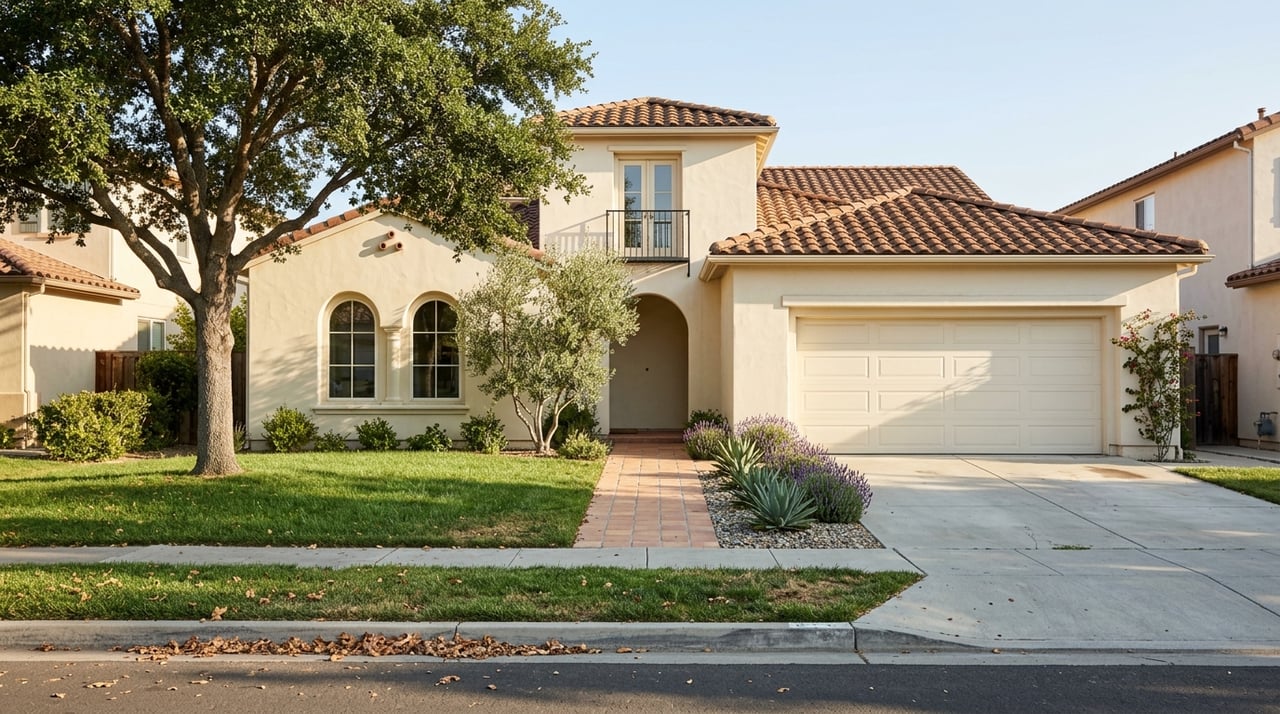
Looking for a South Orange County neighborhood with a settled feel, everyday convenience, and plenty of room to enjoy the outdoors? Laguna Hills stands out for its established streets, classic suburban homes, and practical access to parks, trails, and shopping. If you want a clearer picture of what living here can feel like, this guide will walk you through the housing character, outdoor lifestyle, and daily rhythm that shape the city. Let’s dive in.
Why Laguna Hills Feels Established
Laguna Hills has a mature suburban character that sets it apart from newer planned communities in South Orange County. The city incorporated in 1991, but its planning documents reflect a much older housing base and a long-standing pattern of residential neighborhoods, commercial corridors, and open-space edges.
The city’s General Plan focuses on preserving rolling hills, trails, connected open spaces, and attractive neighborhoods. That helps explain why Laguna Hills often feels settled rather than newly built. You see continuity in the streetscape, the layout, and the way residential areas connect to parks and daily services.
Housing Has a Classic Suburban Look
A big part of Laguna Hills’ identity comes from when much of the housing was built. According to the city’s housing element, 36.7 percent of homes were built from 1970 to 1979, and 39.2 percent were built from 1980 to 1989.
That age range gives many neighborhoods a familiar, classic suburban look. Instead of a brand-new, one-style environment, you will find a mix of detached and attached single-family homes, condominiums, apartments, and mobile homes across the city.
The city is also almost entirely built out. In practical terms, that often means the neighborhood pattern is already well established, with most change happening through smaller infill or redevelopment projects rather than large-scale new master planning.
Neighborhood Variety Across Laguna Hills
Laguna Hills is not one-note. While much of the city is defined by moderate- to low-density single-family housing, there is meaningful variety in lot size, housing type, and setting.
Some areas offer a more traditional suburban feel with established homes and nearby daily conveniences. Other pockets, especially in the southern part of the city, lean more spacious and open, with larger lots and a stronger connection to trails and open space.
Nellie Gail Ranch Adds Equestrian Appeal
When people think about larger-lot living in Laguna Hills, Nellie Gail Ranch often comes to mind. The city describes it as the largest residential development in Laguna Hills, spanning 1,350 acres with 1,407 lots.
The area includes a mix of tract and custom homes on large lots in an equestrian setting. It also features an equestrian center, 20 miles of equestrian trails, several parks and community areas, and substantial open space.
The city’s objective design standards also point to Ranch style architecture in the southern half of Laguna Hills, especially where low-density residential development is prominent. That style draws from traditional rural residential forms and materials, with simple detailing and medium- to high-pitched roofs.
Parks Support Everyday Living
Outdoor access is one of Laguna Hills’ strongest lifestyle features. The city has 14 developed park properties, which gives residents many options for recreation close to home.
A major hub is the Community Center & Sports Complex on Alicia Parkway. This facility includes amenities for baseball, soccer, softball, picnics, skating, and playground use, making it a practical centerpiece for active daily life.
For many buyers, this kind of park system supports the simple routines that matter most. It can mean easier weekend plans, nearby places to walk, and more ways to spend time outdoors without leaving the city.
Trails Are Part of Daily Life
Laguna Hills also stands out for its trail network. City trails include the Alicia Trail, Aliso Creek Trail, Aliso Creek Access Trail, Oso Bikeway Trail, Oso Multi-Use Trail, Nellie Gail Trail, and Veeh Trail.
These trails add more than recreation. They help create a connected neighborhood feel and give residents additional ways to move through and enjoy the city.
The Aliso Creek Trail is maintained by the County of Orange and passes through Sheep Hills Park. The city also notes that the Nellie Gail Ranch homeowners association maintains an equestrian trail system for residents.
Shopping and Services Stay Close
Even though Laguna Hills is largely residential, convenience is part of its appeal. The city’s planning materials repeatedly reference local work and shopping destinations, and many commercial uses are concentrated along Interstate 5 and major roadways.
That pattern can make errands and day-to-day tasks feel manageable. You get a neighborhood-oriented setting while still having access to shopping and services along the city’s primary routes.
The former Laguna Hills Mall property is also moving through the city process as the Village at Laguna Hills. That ongoing redevelopment effort reflects how Laguna Hills continues to evolve while staying rooted in its established footprint.
Who Laguna Hills May Appeal To
Recent Census Bureau data help paint a picture of the city’s overall housing profile. Laguna Hills is 70.0 percent owner-occupied, and 91.3 percent of residents lived in the same house one year earlier.
The city also reports an average household size of 2.68, a median household income of $128,851, and a median value of owner-occupied housing units of $1,012,300. Its age mix includes 21.1 percent of residents under 18 and 20.1 percent age 65 and over.
Taken together, these numbers suggest a city that often appeals to buyers who want stability, established surroundings, and access to outdoor amenities and daily conveniences. Depending on your goals, Laguna Hills may be worth a closer look if you are moving up, downsizing, relocating, or searching for a neighborhood with a more settled rhythm.
What “Classic Neighborhood Living” Means Here
In Laguna Hills, classic neighborhood living is less about one signature development and more about the overall experience. It shows up in mature streets, homes built largely in the 1970s and 1980s, practical shopping access, and a strong network of parks and trails.
It also shows up in the city’s land-use pattern. Residential neighborhoods form the core, while commercial activity tends to stay along major corridors, helping many neighborhoods retain a more residential feel.
If that balance sounds appealing, Laguna Hills offers a version of South Orange County living that feels grounded and established. It is a city where outdoor access, convenience, and neighborhood continuity all play an important role.
If you are considering a move in South Orange County and want help understanding how Laguna Hills compares with nearby communities, working with a local advisor can make the process much easier. For personalized guidance on Laguna Hills and the surrounding market, connect with Jacqueline Screeton.
FAQs
What is Laguna Hills known for as a place to live?
- Laguna Hills is known for its established suburban character, older housing stock, parks, trails, and convenient access to shopping and services.
What types of homes are common in Laguna Hills?
- The city includes detached and attached single-family homes, condominiums, apartments, and mobile homes, with much of the housing built in the 1970s and 1980s.
What makes Nellie Gail Ranch distinct within Laguna Hills?
- Nellie Gail Ranch stands out for its large lots, mix of tract and custom homes, equestrian setting, 20 miles of equestrian trails, parks, and open space.
What outdoor amenities are available in Laguna Hills?
- Laguna Hills has 14 developed park properties, a Community Center & Sports Complex on Alicia Parkway, and trails such as Alicia Trail, Aliso Creek Trail, Oso Bikeway Trail, and Nellie Gail Trail.
Is Laguna Hills mainly a residential city?
- Yes. City land-use guidance says the predominant use is moderate- to low-density single-family homes, with most commercial uses concentrated along Interstate 5 and major roadways.
What does the housing market profile look like in Laguna Hills?
- Census data show Laguna Hills is 70.0 percent owner-occupied, with a median value of owner-occupied housing units of $1,012,300 and a high share of residents living in the same home year over year.
