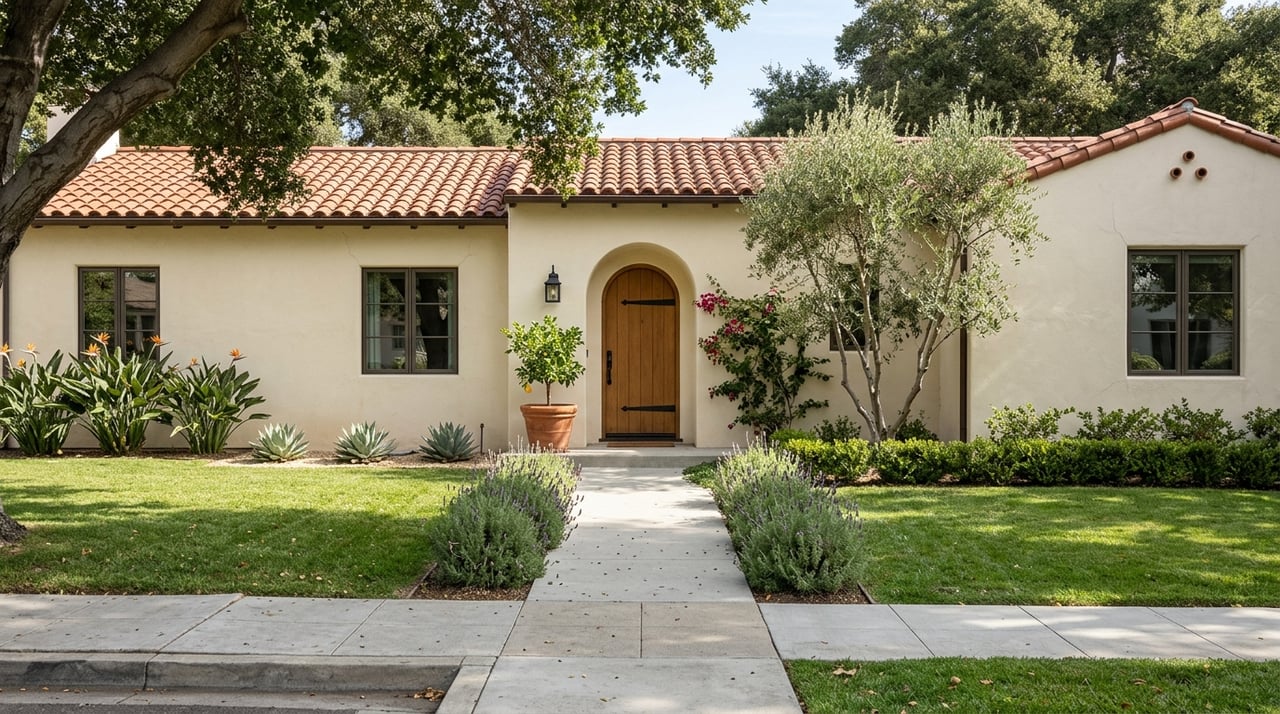
If you are thinking about buying an established home in Laguna Hills, you are probably weighing charm, layout, location, and the reality of future repairs all at once. That is a smart approach. In a city where much of the housing stock was built in the 1970s and 1980s, older homes can offer appealing floor plans and mature surroundings, but they also deserve careful review before you commit. This guide will help you understand what to look for, which systems matter most, and how to make a confident purchase in Laguna Hills. Let’s dive in.
Why established homes stand out
Laguna Hills is largely a suburban-era city, not a prewar housing market. According to the City of Laguna Hills history overview, the area was subdivided in the early 1960s, and the city officially incorporated in 1991.
That background shows up clearly in the housing stock. The city’s housing data says 36.7% of homes were built from 1970 to 1979 and 39.2% were built from 1980 to 1989, while only 9.7% were built before 1970, according to the Laguna Hills Housing Element. The same report notes that homes are generally 30 to 50 years old and are not broadly considered substandard, though some areas may show deferred maintenance.
For you as a buyer, that means established homes in Laguna Hills often offer a middle ground. You may find more original character and larger lots than in newer construction, but you should also expect to evaluate age-related wear, past upgrades, and maintenance quality.
What home styles you may see
Established homes in Laguna Hills are not all the same, but there are some clear local patterns. The city’s objective design standards identify Spanish, Mediterranean, and Ranch as city styles, with Spanish and Mediterranean noted as especially prominent.
In practical terms, that can translate into stucco exteriors, tile roofing, arched details, and low-slung forms. Ranch-era homes may also feature broader footprints, attached garages, and easy indoor-outdoor flow.
A helpful point of comparison comes from Southern California ranch housing guidance, which describes ranch homes as typically one-story, rectangular, U-shaped, or L-shaped, with low-pitched roofs, open interiors, integrated garages, and large windows or sliding doors that open to patios, according to the City of Claremont ranch housing guidelines.
Based on the age of Laguna Hills housing and the city’s style standards, it is reasonable to expect a mix of:
- Ranch-style homes
- Split-level layouts
- Mediterranean-influenced tract homes
- Spanish-inspired exterior details
That does not mean every neighborhood looks the same. It does mean you should pay attention to how much of a home’s original design remains and whether updates fit the structure well.
Which original systems need attention
One of the biggest questions with an established home is simple: what is still original, and what has already been replaced?
In many 1970s and 1980s homes, the most important systems to review include:
- Roofing
- Electrical work
- HVAC equipment
- Ductwork
- Plumbing components
- Water heater
- Windows and doors
- Attic insulation and ventilation
The city’s housing element notes substantial permit activity for roof work and residential electrical alterations between 2013 and 2020, which is a useful reminder that these systems often need periodic updates in older homes. If a seller has improved these items, that may reduce near-term costs. If they have not, you will want to factor replacement or repair into your budget.
This is especially important in a market where the SCAG Laguna Hills profile reports a median owner-occupied home value of $1,012,300. At that price point, understanding deferred maintenance is part of protecting your investment.
Energy upgrades worth checking
An established home can still perform well, but only if its systems have kept up over time. Before planning major upgrades, the U.S. Department of Energy recommends starting with a home energy assessment. Professional assessors may use tools like blower doors, infrared cameras, moisture meters, and gas leak or carbon monoxide detectors to identify problem areas.
For Laguna Hills buyers, some of the highest-value items to review are:
- Attic insulation
- Air sealing
- Duct sealing
- HVAC age and efficiency
- Window condition
- Water heater age
- Electrical readiness for future upgrades
According to ENERGY STAR Home Upgrade, attic air sealing and insulation can save up to 10% on annual energy bills, and replacing old drafty windows can lower household energy bills by an average of 12%.
That does not mean every buyer should replace windows right away. It means you should evaluate whether the home already has meaningful efficiency improvements or whether you may want to tackle them over time after closing.
How to judge past remodels and additions
A well-updated older home can be a great find. The key is making sure the improvements were done thoughtfully and, where required, with proper permits.
When you tour a home, look closely at consistency. Does the addition feel integrated with the original structure? Do floor levels, finishes, rooflines, and window placements make sense together? If a remodel feels noticeably uneven or patched together, that does not automatically mean there is a problem, but it does justify extra questions.
California’s Department of Real Estate homebuyer guidance encourages buyers to do their homework, read transaction documents carefully, and seek professional advice. In a practical sense, that means reviewing seller disclosures, inspection findings, and any available documentation for prior work.
Ask for records related to:
- Roof replacement
- Electrical upgrades
- HVAC replacement
- Window installation
- Water heater replacement
- Major remodels or additions
If documentation is limited, your inspection period becomes even more important.
What a general home inspection covers
A general home inspection is a critical first step, but it is not the last step. According to the ASHI Standard of Practice, a home inspection is a non-invasive, visual examination of accessible areas of the property.
That inspection typically covers:
- Roof
- Foundation and structure
- Heating and cooling systems
- Plumbing
- Electrical systems
- Attic, insulation, and ventilation
At the same time, the inspection is not technically exhaustive. It does not determine code compliance, insurability, or future performance. That distinction matters because buyers sometimes expect a general inspection to answer every possible question about an older property.
A better mindset is this: the general inspection helps you identify where deeper review may be needed.
When to bring in a specialist
If the general inspector flags a concern, a specialist may be the right next move. This is often the most sensible path when you are buying an established home with age-related wear or signs of prior repair.
You may want a follow-up evaluation if the inspection points to:
- Roof wear or active leaks
- Water intrusion or moisture concerns
- Structural movement or cracking
- Electrical concerns
- Plumbing issues
- HVAC performance problems
That approach is consistent with the practical limits of a general inspection. A visual inspection tells you where the risks may be. A licensed specialist can help clarify scope, urgency, and likely cost.
How much original character remains
Part of the appeal of an established Laguna Hills home is that it may still retain features from its original era. Depending on the property, that could include low-profile rooflines, traditional stucco finishes, larger living spaces, sliding glass doors to patios, or older built-ins and layout choices.
The real question is not whether a home is fully original or fully renovated. It is whether the balance works for you. Some buyers want preserved character with selective upgrades. Others prefer an older home where major systems and finishes have already been modernized.
As you compare options, ask yourself:
- Which original features feel like assets?
- Which updates would be priorities for your lifestyle?
- Which repairs are cosmetic, and which affect function?
- How much post-closing work are you comfortable taking on?
That kind of clarity can keep you from overpaying for a home that looks attractive at first glance but needs more work than expected.
A smart Laguna Hills buying strategy
Buying an established home in Laguna Hills is often about reading beyond the surface. You are not just choosing countertops, paint colors, or curb appeal. You are evaluating age, maintenance, upgrades, and long-term value in a market shaped largely by homes from the 1970s and 1980s.
A calm, informed process can make all the difference. When you understand what is typical for the area, know which systems deserve scrutiny, and use inspections the right way, you can move forward with much more confidence.
If you want local guidance as you compare established homes in South Orange County, Jacqueline Screeton offers concierge-level buyer support with clear communication, thoughtful strategy, and neighborhood insight every step of the way.
FAQs
What is the typical age of established homes in Laguna Hills?
- Many homes in Laguna Hills were built in the 1970s and 1980s. City housing data shows 36.7% of units were built from 1970 to 1979 and 39.2% from 1980 to 1989.
What home styles are common in established Laguna Hills neighborhoods?
- Laguna Hills design standards identify Spanish, Mediterranean, and Ranch as local styles, so buyers may see a mix of ranch-era layouts and Mediterranean or Spanish-inspired exterior details.
What systems should buyers check first in an older Laguna Hills home?
- Focus first on roofing, electrical, HVAC, ductwork, plumbing, windows, water heater, and attic insulation or ventilation, since these systems often need updates over time.
When is a general inspection enough for a Laguna Hills home purchase?
- A general inspection is the starting point. If it reveals concerns with the roof, moisture, structure, electrical, plumbing, or HVAC, a licensed specialist may be needed for a closer review.
Which energy improvements can matter most in an established home?
- Attic air sealing, insulation, window performance, HVAC efficiency, duct sealing, and water heater condition are all important items to evaluate in an older home.
How can buyers review past remodels in an established Laguna Hills home?
- Buyers should read disclosures carefully, ask for records related to major upgrades, and use the inspection period to evaluate whether prior work appears consistent, functional, and well maintained.
