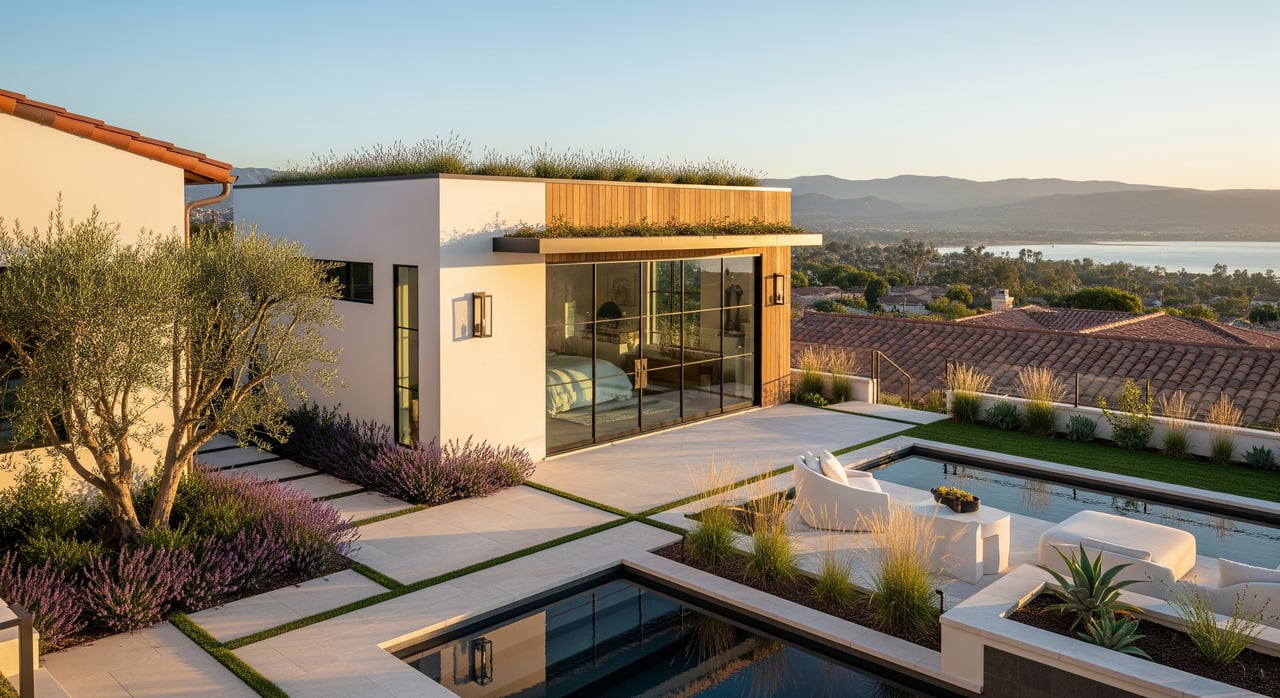
Thinking about adding an ADU to your Mission Viejo home but not sure where to start? You are not alone. Between city rules, HOA guidelines, timelines, and costs, it can feel like a lot. This guide breaks down the essentials so you can size up feasibility, plan your path to permits, and avoid surprises. Let’s dive in.
ADU and JADU basics
An accessory dwelling unit, or ADU, is a self-contained home on the same lot as your main house. It can be detached, attached, or created by converting existing space.
A junior ADU, or JADU, is a smaller unit created within your existing home, up to 500 square feet. JADUs typically involve shared facilities and specific access conditions. Both ADUs and JADUs must meet California Building Code standards and local life safety requirements.
Can you build an ADU in Mission Viejo?
State law sets a supportive baseline for ADUs across California. Cities must allow them if they meet objective standards, and Mission Viejo applies those rules through its municipal code and permit process.
Most single-family lots in Mission Viejo can accommodate some form of ADU. That said, your lot’s zoning, setbacks, height rules, slopes, easements, and any recorded development plans can affect size and placement. Start by confirming your parcel’s zoning and any local objective standards with the City’s Planning Division.
Mission Viejo is also home to many planned communities. If your property has an HOA, expect an architectural review process in addition to city permits. HOAs can apply reasonable design standards. You should secure written HOA approval where required.
ADU types and feasibility
Your best path depends on your lot, budget, and timeline. Here are the common options and what to consider.
Detached new construction
A stand-alone ADU offers the most flexibility in layout and privacy. It typically costs more and takes longer to build. You must meet setbacks, height limits, and fire access standards. Expect a fuller plan set, separate utilities planning, and more inspections.
Attached addition
Adding an ADU that shares one wall with the main home can improve efficiency and leverage existing infrastructure. You still add new footprint, so setbacks and lot coverage rules matter. This option can balance cost and size, especially if you place it strategically near existing plumbing.
Garage conversion
Converting an existing garage can be one of the fastest ways to create a unit. It avoids new footprint and often has fewer site constraints. You still need full compliance with building, energy, and life safety codes. Design choices like window placement, sound separation, and insulation make a big difference in livability.
Interior conversion or JADU
If you have underused space, an interior conversion can create an ADU or a JADU up to 500 square feet. This path can be efficient when structural changes are minimal. Some JADUs have shared facilities requirements, so plan ahead for access and privacy.
Utilities, parking, and fire safety
Most Mission Viejo homes are served by municipal water and sewer. Adding an ADU may require upgrades, new connections, or verification of capacity. Metering varies. Some units share existing meters while others use separate meters depending on policy and whether you plan to rent.
Parking rules for ADUs are limited by state law in many situations, especially near transit. Local policies still apply, so verify current requirements with the City. If you are converting a garage, know that replacement parking standards can be different than you might expect under state rules.
Fire and life safety review is part of every ADU. Depending on your location and project type, the fire authority may require certain access widths, turnarounds, defensible space, or sprinklers. Plan for early coordination to prevent redesigns later.
Permits and approval timeline
Most ADUs that meet objective standards are eligible for ministerial approval. That means no public hearing and faster plan check. If your project needs exceptions or variances, you may face discretionary review, which takes longer.
Here is a realistic timeline overview:
- Initial feasibility and concept planning: 2 to 8 weeks
- Permit-ready drawings and engineering: 4 to 12 weeks
- Plan check and permit issuance: about 1 to 3 months for simpler conversions, or 3 to 6 months for new detached units
- Construction: 4 to 12 weeks for interior conversions, or 4 to 9 months for attached or detached builds
Overall, expect about 3 to 12 months from decision to move-in, depending on scope, site conditions, and reviewer workloads.
Costs and fees to expect
ADU budgets vary widely based on size, finishes, and site complexity:
- Garage conversion or interior JADU: often tens of thousands to low six figures
- Attached ADU or larger addition: typically mid-to-high six figures
- Detached new construction: commonly mid-to-high six figures, and more for larger footprints or upscale finishes
Plan for soft costs too. You will have design and engineering fees, permit and plan check fees, potential utility connection fees, and inspection costs. State law limits certain development impact fees, especially for smaller ADUs and JADUs, but local fee schedules and practices vary. Confirm the current fee list with the City before you finalize a budget.
HOA review in planned communities
Many Mission Viejo neighborhoods have CC&Rs and architectural guidelines. These can shape exterior appearance, materials, landscaping, and structure placement. While state law limits unreasonable barriers, HOAs often require submittals and formal approvals.
Practical steps:
- Read your CC&Rs and design guidelines before you design
- Ask the property manager or architectural committee about timelines and required submittals
- Get written approval before exterior work begins
Coordinating HOA and city review in parallel can save weeks. Keep both informed as your plans evolve.
Financing, insurance, and taxes
Homeowners use a range of financing tools for ADUs. Common options include cash, HELOCs, cash-out refinances, construction loans, or renovation loan products. Some lenders consider potential rental income from an ADU in underwriting, but policies vary. Speak with lenders who have ADU experience.
Update your homeowners insurance before construction. You may need increased dwelling coverage during the build and landlord coverage if you plan to rent. Ask about liability coverage for a tenant-occupied unit.
New construction typically increases assessed value under California’s property tax rules. The new construction value is added to your base. Conversions that do not change improvements substantially can be treated differently. Confirm your specific situation with the county assessor. Rental income is taxable. If you are considering short-term rentals, first check city and HOA rules, since many communities restrict or regulate short stays.
Uses and value scenarios
ADUs serve different goals in Mission Viejo. You might create space for multigenerational living, a caregiver suite, or a guest unit. Long-term rental can help offset a mortgage or support retirement plans. Others use ADUs as flexible spaces that can adapt over time to changing needs, such as a home office that later becomes a rental.
Return on investment depends on your build cost, market rents, neighborhood comparables, and buyer preferences. Focus on smart design and code compliance, then choose durable finishes and thoughtful layouts that make daily living easy.
Local resources and next steps
Here is a simple path to move forward with confidence:
- Step 1 — Quick feasibility: Confirm your parcel’s zoning and ask the City’s Planning Division about ADU and JADU size limits and setbacks for your lot.
- Step 2 — HOA review: Gather CC&Rs and design guidelines. Submit a pre-application or inquiry to your HOA’s architectural committee.
- Step 3 — Budgeting: Get early estimates for design and engineering, plus a rough construction range for your chosen ADU type.
- Step 4 — Engage your team: Hire an architect or designer with ADU experience and a contractor who has built ADUs in Orange County. Consider an early planning counter meeting to validate key assumptions.
- Step 5 — Utilities and fire: Confirm sewer, water, and meter needs. Check fire access and any sprinkler requirements.
- Step 6 — Apply for permits: Submit plans for ministerial review if you meet objective standards. Track review deadlines and respond quickly to comments.
Ready to talk through your plan?
If you are weighing how an ADU fits your larger real estate goals, a local perspective helps. Whether you want rental income, flexible space for family, or a strategic value add before selling, let’s map it out together. Schedule a Concierge Consultation with Jacqueline Screeton to discuss next steps tailored to your Mission Viejo home.
FAQs
ADU basics for Mission Viejo homeowners
- An ADU is a self-contained home on your lot, while a JADU is an interior unit up to 500 square feet with specific access and shared facility rules.
Zoning and whether your lot qualifies
- Most single-family lots can host an ADU if objective standards are met, so confirm your parcel’s zoning and any recorded site constraints with City Planning.
Typical ADU project timelines
- Plan on 3 to 12 months from decision to occupancy, with conversions on the faster end and new detached builds taking longer.
Cost ranges for different ADU types
- Conversions are often tens of thousands to low six figures, while attached or detached builds commonly fall in the mid-to-high six figures.
HOA approvals for ADUs in planned communities
- HOAs usually require architectural review and written approval, and they can apply reasonable design standards, so start that process early.
Utility meters, parking, and fire safety
- Metering rules, parking needs, and fire access vary by policy and site, so verify requirements with the City and fire authority early in design.
Property taxes after adding an ADU
- New construction value is typically added to your assessed value under state rules, so contact the county assessor to confirm how your project will be treated.
Renting your ADU short-term or long-term
- Long-term rentals are common, while short-term rentals may be restricted or regulated by the City or your HOA, so check both before you commit.
