
How You Can Build Home Equity
Equity can grow naturally as you make your regular mortgage payments and as your home’s market value changes. If it fits your financial situation, there are also ways to build equity more intentionally.
Pay additional principal. If you can comfortably afford it, making additional payments toward your mortgage principal can reduce your loan balance faster and increase your equity. Before doing so, it’s a good idea to confirm with your lender how additional payments are applied and consider whether that use of your money makes sense for your overall financial goals.
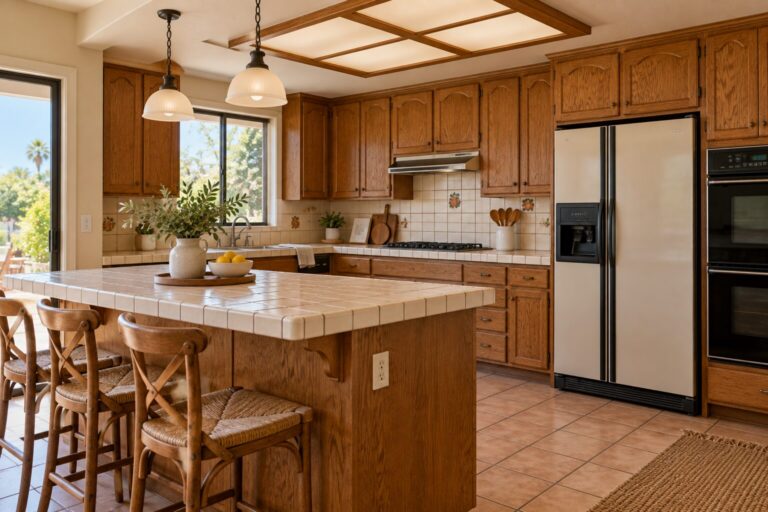
Make thoughtful improvements to your home. Updating or improving your property may increase its market value while also allowing you to enjoy those improvements while you live there. Not every renovation provides a dollar-for-dollar return, so if you’re making improvements specifically because you expect to sell soon, it’s worth considering what buyers in your local market actually value.
Using Your Home Equity
Building equity doesn’t mean you should never touch it. Depending on your circumstances, that equity may give you financial options.
A HELOC or home equity loan can allow homeowners to access some of their equity without selling the property. Some homeowners use these funds for renovations or improvements they can enjoy now, while others may use home equity as part of a strategy to purchase another property or real estate investment.
A cash-out refinance is another way homeowners may access equity, although it replaces the existing mortgage and can change the interest rate, payment and loan terms.
Using equity means taking on additional debt secured by your home, so the costs, risks and benefits should be considered carefully with the appropriate lender, financial or tax professional.
If You’re Planning to Sell
This is where I think your expertise belongs in the article.
If someone says, “I’ve got $300,000 in equity and I’m thinking about putting $75,000 into the house before I sell,” that’s exactly when they should talk to you before they start remodeling.
You can help them determine whether buyers are likely to reward that $75,000 investment or whether they’d be better off spending $15,000 on strategic preparation and keeping the rest of their equity intact.
That ties beautifully into your whole seller philosophy: don’t spend money on a house just because someone says you should. Spend it where it makes sense for that property, that market and that seller.